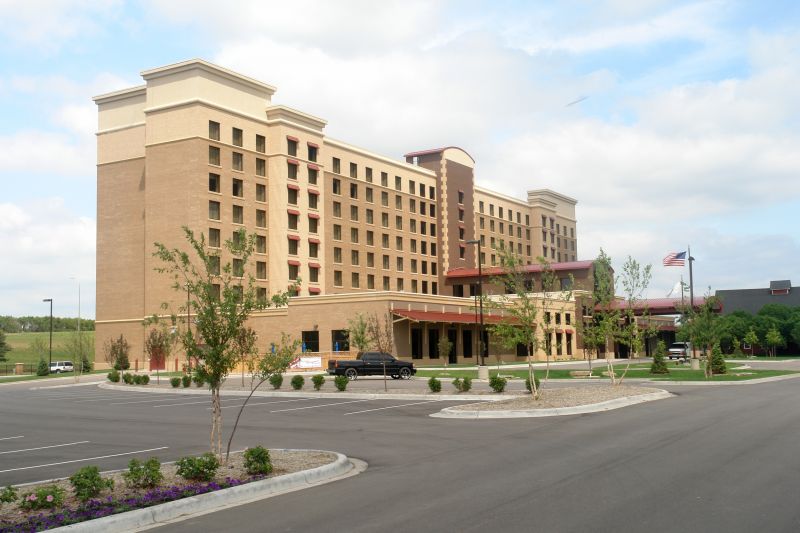
Airport Paving in Little Rock, AR
Airport paving services encompass the installation, repair, and maintenance of paved surfaces used for airport runways, taxiways, and aprons. These projects typically involve large-scale asphalt or concrete paving to ensure smooth, durable surfaces that meet safety and operational standards. Property owners requesting airport paving often seek reliable solutions for new construction, resurfacing existing areas, or repairing damage caused by weather or heavy aircraft traffic. Understanding the scope of the project, material options, and the importance of proper drainage and surface stability are key considerations before requesting services.
Before initiating airport paving projects, property owners usually want to clarify the size and layout of the area to be paved, as well as any specific design requirements or regulations that must be followed. It’s also helpful to consider the expected aircraft load and frequency of use, which influence the choice of materials and thickness of the pavement. Proper planning ensures the paved surfaces can withstand daily operations while maintaining safety and compliance standards. Contacting experienced professionals can provide guidance on the best approaches for specific airport paving needs.
Many property owners in Little Rock, AR look into Airport Paving for repairs, replacements, upgrades, and appearance-related improvements.
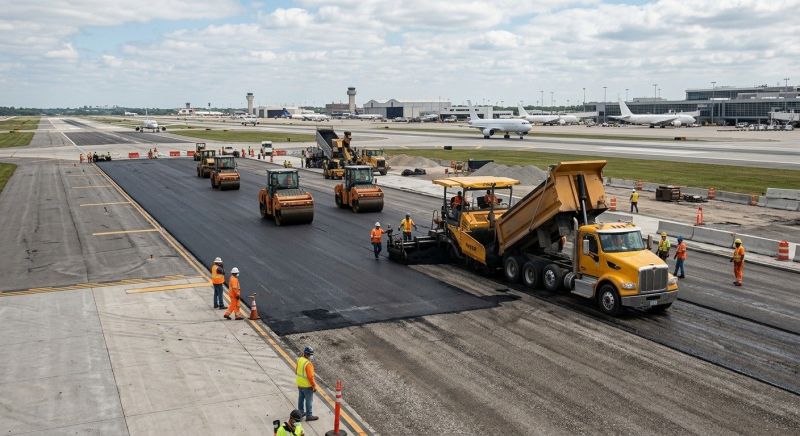
Airport Runway Paving
Ensuring smooth, durable surfaces for aircraft operations and safety.
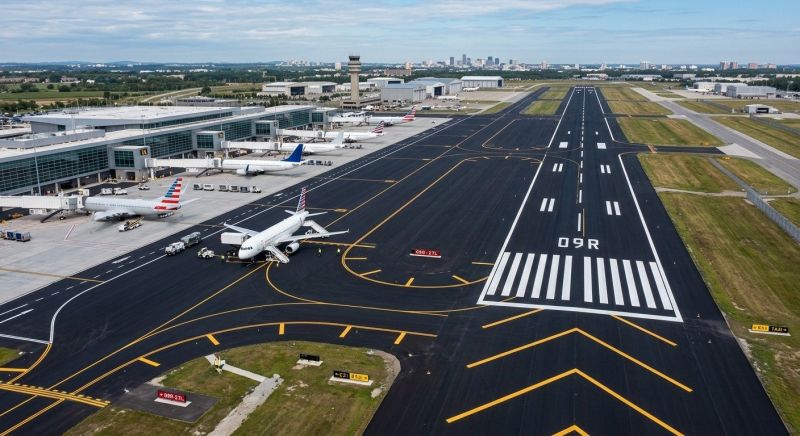
Driveway And Apron Resurfacing
Restoring the functionality and appearance of airport access roads and aprons.
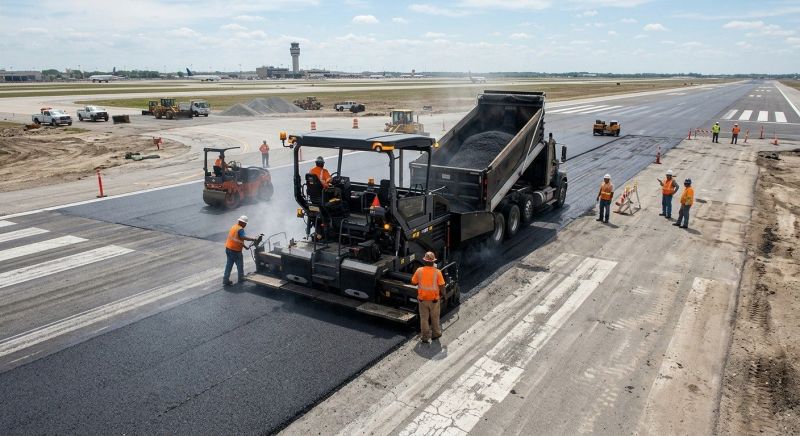
Heavy-Duty Pavement Installation
Constructing resilient pavements designed to withstand high traffic and load demands.
Airport Paving in Little Rock, AR
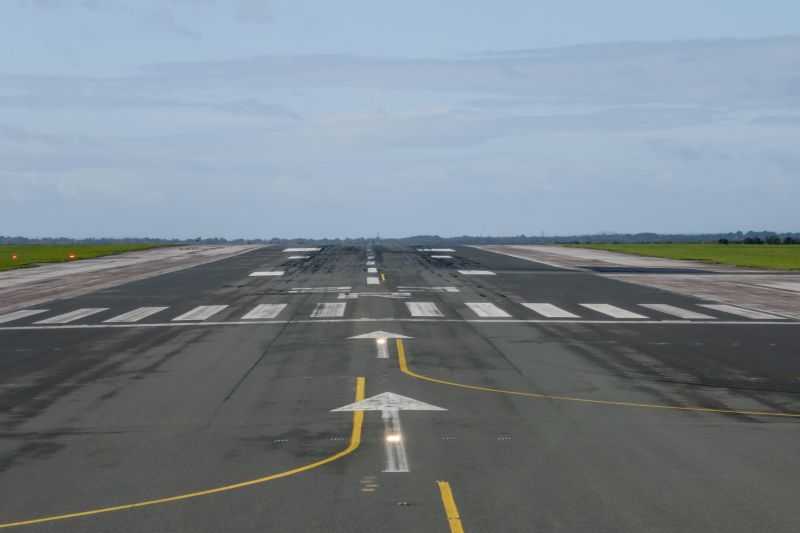
Airport paving services encompass the installation, repair, and maintenance of paved surfaces used for airport runways, taxiways, and aprons. These projects typically involve large-scale asphalt or concrete paving to ensure smooth, durable surfaces that meet safety and operational standards. Property owners requesting airport paving often seek reliable solutions for new construction, resurfacing existing areas, or repairing damage caused by weather or heavy aircraft traffic. Understanding the scope of the project, material options, and the importance of proper drainage and surface stability are key considerations before requesting services.
Before initiating airport paving projects, property owners usually want to clarify the size and layout of the area to be paved, as well as any specific design requirements or regulations that must be followed. It’s also helpful to consider the expected aircraft load and frequency of use, which influence the choice of materials and thickness of the pavement. Proper planning ensures the paved surfaces can withstand daily operations while maintaining safety and compliance standards. Contacting experienced professionals can provide guidance on the best approaches for specific airport paving needs.
Many property owners in Little Rock, AR look into Airport Paving for repairs, replacements, upgrades, and appearance-related improvements.
Common Airport Paving Jobs
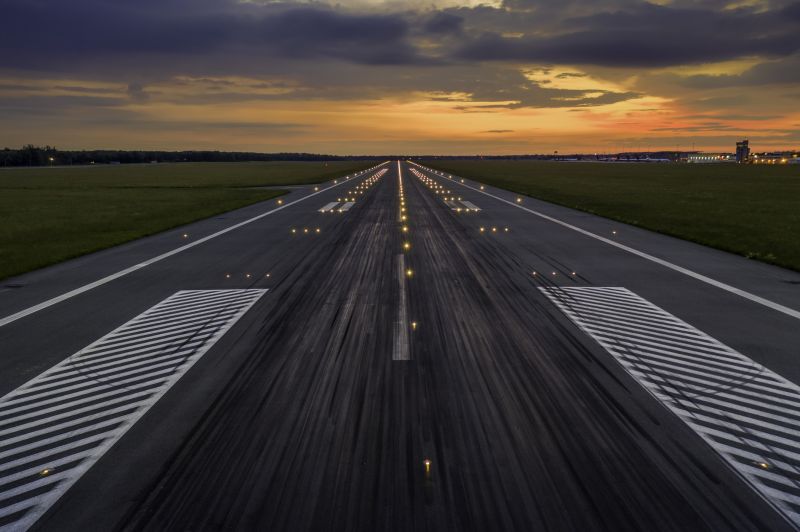
Airport paving involves installing new runways, taxiways, and aprons to ensure safe aircraft movement.
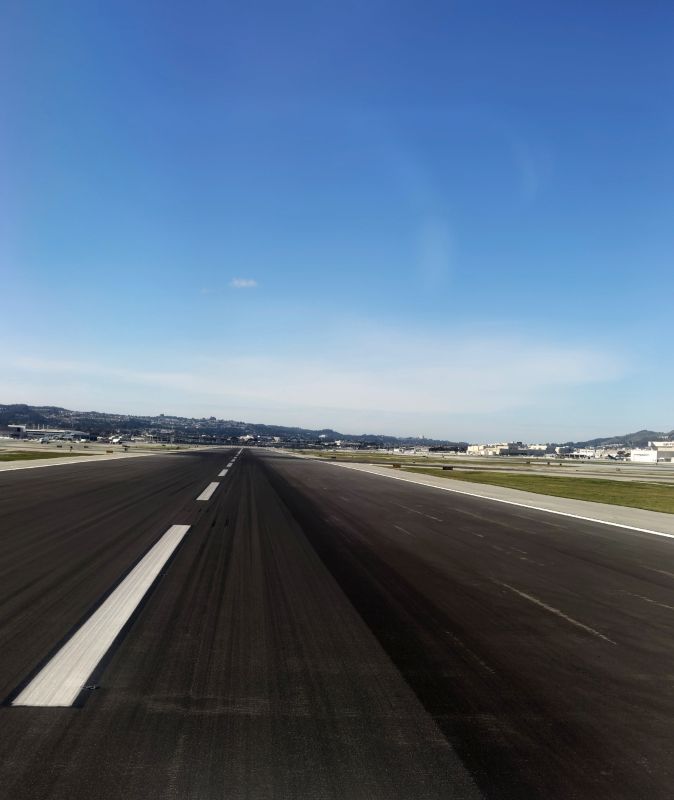
Runway resurfacing restores smoothness and safety for ongoing airport operations.
Taxiway construction provides durable pathways for aircraft to move between runways and terminals.
Apron paving supports aircraft parking and loading areas with strong, reliable surfaces.
Pavement maintenance includes crack sealing and sealing to extend the lifespan of airport surfaces.
Airport asphalt repair addresses damage quickly to minimize disruptions and maintain safety standards.
Airport Paving Questions
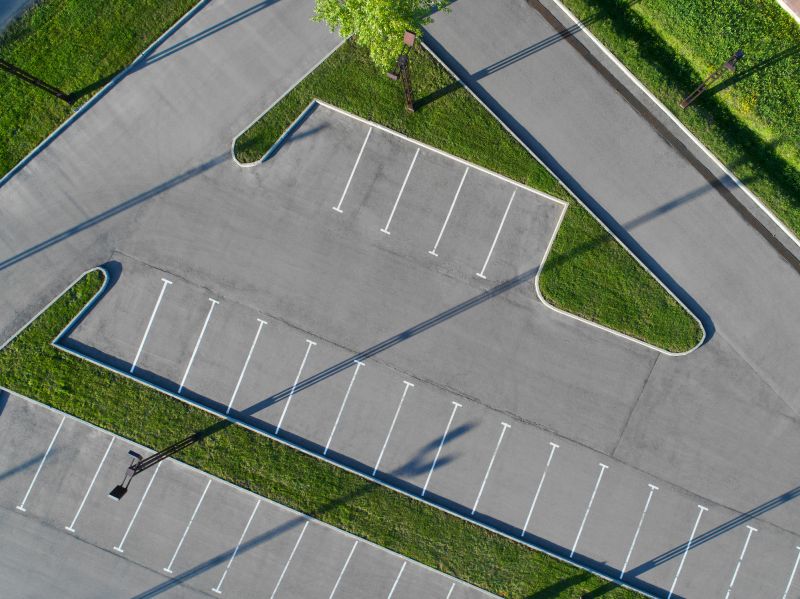
What types of paving projects are common for airports? Airport paving typically includes runways, taxiways, aprons, and parking areas to ensure safe aircraft movement and parking.
What materials are used for airport paving? Asphalt and concrete are the most common materials, chosen for durability and smoothness required for aviation operations.
Why is proper drainage important in airport paving? Effective drainage prevents water accumulation, reduces erosion, and maintains pavement integrity for safe aircraft operations.
How does surface maintenance impact airport safety? Regular maintenance ensures a smooth, crack-free surface, reducing the risk of damage to aircraft and enhancing overall safety.
Request Airport Paving in Little Rock, AR
Use the quote form on this page to share the basics of your project and request more information for the type of work you need.